Key takeaways
- Layer Thickness and Density: For meaningful back support, look for at least 2 to 3 inches of material. Memory-foam cores in the 3- to 5-inch range redistribute weight across a wider contact area, reducing peak pressure on the lumbar curve by a measurable margin compared with thinner pads.
- Foam Type vs. Fiber Fill: Gel-infused or plant-derived memory foam contours to spinal geometry and holds shape longer. Bamboo-rayon or down-alternative fills feel softer initially but compress faster, so they suit side sleepers more than strict back-pain correction.
- Certified Materials and Off-Gassing: Look for CertiPUR-US or OEKO-TEX labels confirming the foam or fabric has been tested for harmful emissions. Low-VOC foams are especially relevant if you spend eight hours breathing inches from the surface.
- Deep-Pocket Fit and Anchor System: A topper that migrates during the night creates inconsistent support zones. Four-way elastic straps or extra-deep stretchable pockets (20 inches or more) keep the unit planted on mattresses up to 18 inches thick.
- Breathability and Temperature Regulation: Back pain patients often sleep hot, which worsens inflammation. Air-mesh side panels, bamboo-derived covers, or open-cell foam structures promote convective cooling and reduce the sweat-related readjustments that disrupt deep sleep cycles.
What's inside
Back pain sufferers know the frustration: you replace your mattress, spend hundreds, and still wake up with that familiar ache running from your lower lumbar to your shoulders. The real culprit is often not the mattress itself but the lack of targeted support and pressure distribution at the surface layer—where your body actually makes contact. A purpose-built mattress topper can correct alignment gaps, relieve pressure points along the spine, and absorb the micro-movements that fragment sleep.
This guide draws on an ergonomics-and-durability lens to evaluate six current toppers designed specifically for back pain relief. We assessed each model for spinal contouring accuracy, material resilience over time, breathability under sustained body heat, and secure fit on the bed frame—because a topper that shifts at 3 a.m. defeats its own purpose. Below you will find our curated shortlist, a buyer’s checklist, and detailed reviews to help you decide with confidence.
As an Amazon Associate we earn from qualifying purchases.


How to Choose a Back Pain Best Mattress Topper (2026)
- Layer Thickness and Density: For meaningful back support, look for at least 2 to 3 inches of material. Memory-foam cores in the 3- to 5-inch range redistribute weight across a wider contact area, reducing peak pressure on the lumbar curve by a measurable margin compared with thinner pads.
- Foam Type vs. Fiber Fill: Gel-infused or plant-derived memory foam contours to spinal geometry and holds shape longer. Bamboo-rayon or down-alternative fills feel softer initially but compress faster, so they suit side sleepers more than strict back-pain correction.
- Certified Materials and Off-Gassing: Look for CertiPUR-US or OEKO-TEX labels confirming the foam or fabric has been tested for harmful emissions. Low-VOC foams are especially relevant if you spend eight hours breathing inches from the surface.
- Deep-Pocket Fit and Anchor System: A topper that migrates during the night creates inconsistent support zones. Four-way elastic straps or extra-deep stretchable pockets (20 inches or more) keep the unit planted on mattresses up to 18 inches thick.
- Breathability and Temperature Regulation: Back pain patients often sleep hot, which worsens inflammation. Air-mesh side panels, bamboo-derived covers, or open-cell foam structures promote convective cooling and reduce the sweat-related readjustments that disrupt deep sleep cycles.
The Best Back Pain Best Mattress Toppers (2026) Reviewed
SHOUREN 5-Inch Memory Foam Topper
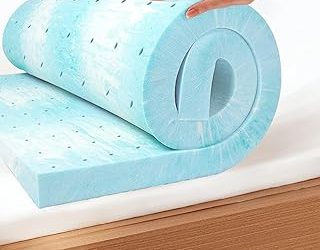
At five inches of gel-infused memory foam with genuine body-contouring density, this topper delivers the kind of spinal alignment correction that physical therapists typically recommend. The four-way strap system locks it firmly in place, and the gel infusion prevents the heat buildup that plagues thicker foam slabs—making it our top pick for combination back-and-side sleepers dealing with chronic lumbar tension.
Niagara Sleep Solution Bamboo Topper
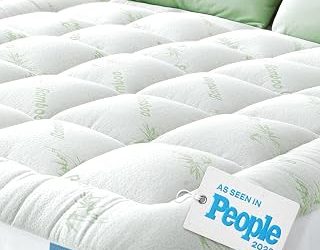
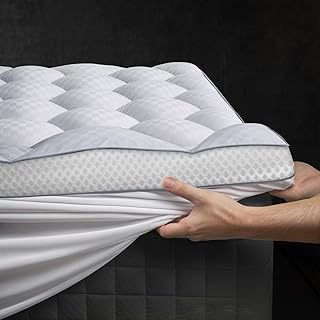
The rayon-from-bamboo shell on this pillow-top pad earns its cooling reputation through actual fiber-level moisture wicking rather than a superficial treatment wash. Its 20-inch deep pocket and overstuffed construction cradle pressure points along the thoracic spine without the slow-recovery lag of dense foam, which makes it an excellent choice for sleepers who shift positions frequently throughout the night.
BEDLORE Bamboo Pillow Top
BEDLORE’s viscose-bamboo topper uses a stretchable-pocket design that accommodates mattresses from six to eighteen inches—eliminating the guesswork that causes fit complaints. The thick pillow-top layer provides an immediate plush surface while the underlying pad structure maintains enough firmness to prevent the hammock effect that worsens lower-back strain over time.
ELEMUSE Extra Thick Plush Topper
The overfilled down-alternative filling in this topper creates a cloud-like surface that excels at relieving shoulder and hip pressure points for side sleepers, though it trades some of the deep contouring that strict back-sleepers need. Its elastic deep pocket holds reliably on standard-depth mattresses, and the plush pillowtop maintains loft surprisingly well after repeated laundering cycles.
WhatsBedding 5-Inch Pillow Top
WhatsBedding pairs five inches of supportive core material with a breathable fluffy stuffing layer, achieving a hybrid feel between contouring foam and pillow-top softness. For shoppers who find pure memory foam too restrictive but need more structure than a fiber pad provides, this topper strikes a practical middle ground at a competitive price point.
Frequently Asked Questions
How thick should a mattress topper be for back pain?
Most sleep experts recommend a topper between three and five inches for meaningful back-pain relief. Thinner options (one to two inches) can add surface comfort but generally lack the depth needed to correct spinal misalignment or relieve sustained pressure on the lumbar region. Match thickness to your body weight—heavier sleepers often benefit from the full five-inch range.
Can a mattress topper fix a sagging mattress?
A topper can temporarily mask mild indentations and redistribute pressure, but it cannot restore the structural support of a collapsed coil system or degraded foam core. If your mattress has visible sag deeper than one and a half inches, the topper will conform to the dip rather than correct it, potentially making alignment worse.
Do memory foam toppers make you sleep hot?
Traditional memory foam retains body heat, but newer gel-infused and open-cell formulations significantly reduce surface temperature. Look for toppers with breathable bamboo covers or air-mesh side panels, which promote airflow that passive foam alone cannot provide. These design features matter more for back-pain sufferers, since elevated nighttime temperature can increase inflammatory response.
How long do quality mattress toppers last?
A well-made memory foam topper with proper density (four pounds per cubic foot or higher) typically maintains its support properties for three to five years. Fiber-fill and down-alternative models compress faster and may need replacement every two to three years. Rotating the topper 180 degrees monthly and using a breathable protector extends usable life noticeably.
Final Thoughts
For sustained, ergonomically sound back-pain relief, the SHOUREN 5-Inch Memory Foam Topper stands out as the strongest overall performer thanks to its contoured gel core and secure anchor system. Side sleepers who prioritize cooling and plush surface feel will find the Niagara Sleep Solution Bamboo Topper hard to beat, while the BEDLORE Bamboo Pillow Top offers versatile fit and balanced support for shoppers uncertain about mattress depth. Any of these three addresses the root mechanical problems that cause nighttime back pain—and doing so without replacing your entire mattress.