Key takeaways
- Fill density and loft: Look for pads with a stated fill weight above 1,200 g/m² or an “extra-thick” designation. Higher fill keeps the lumbar curve supported without bottoming out over the first year of nightly use.
- Core material: Memory foam contours under heat and pressure, which suits side sleepers with hip or shoulder pain. Bamboo-derived viscose or down-alternative fills distribute weight more evenly and tend to sleep cooler — a real advantage for back and stomach sleepers.
- Deep-pocket fit: A pad that shifts or bunches under fitted sheets defeats its purpose. Confirm the pocket depth of your current mattress (including any existing topper) and choose a pad rated at least two inches deeper to prevent creeping.
- Thermal conductivity: Gel-infused foams and ventilated designs actively pull heat away from the sleep surface. Bamboo and Tencel-derived covers wick moisture passively. Either approach works, but hot sleepers should prioritize at least one thermal-management feature.
- Certifications and durability testing: CertiPUR-US or OEKO-TEX certification signals that foams and fabrics are free of harmful off-gassing compounds. Also check whether the manufacturer publishes a warranty exceeding one year — it’s the best proxy for confidence in long-term resilience.
What's inside
Shoppers hunting for back-pain relief in a mattress pad face a surprisingly fragmented market. One week a “cooling bamboo” topper is trending; the next, a gel-infused foam pad is racking up five-star reviews. The problem isn’t a shortage of options — it’s knowing which material properties actually translate to measurable spinal support and which are pure marketing. A pad that goes flat after three months doesn’t just waste money; it reinstates the exact pressure imbalances you were trying to fix.
This guide approaches mattress pads the way an ergonomics consultant would: through the lens of pressure distribution, material resilience, and thermal regulation. Below you’ll find a concise breakdown of the six pads that best balance those factors in 2026, followed by a buyer’s framework so you can match the right product to your body type, sleep position, and mattress age.
As an Amazon Associate we earn from qualifying purchases.


How to Choose a Mattress Pad for Back Pain (2026)
- Fill density and loft: Look for pads with a stated fill weight above 1,200 g/m² or an “extra-thick” designation. Higher fill keeps the lumbar curve supported without bottoming out over the first year of nightly use.
- Core material: Memory foam contours under heat and pressure, which suits side sleepers with hip or shoulder pain. Bamboo-derived viscose or down-alternative fills distribute weight more evenly and tend to sleep cooler — a real advantage for back and stomach sleepers.
- Deep-pocket fit: A pad that shifts or bunches under fitted sheets defeats its purpose. Confirm the pocket depth of your current mattress (including any existing topper) and choose a pad rated at least two inches deeper to prevent creeping.
- Thermal conductivity: Gel-infused foams and ventilated designs actively pull heat away from the sleep surface. Bamboo and Tencel-derived covers wick moisture passively. Either approach works, but hot sleepers should prioritize at least one thermal-management feature.
- Certifications and durability testing: CertiPUR-US or OEKO-TEX certification signals that foams and fabrics are free of harmful off-gassing compounds. Also check whether the manufacturer publishes a warranty exceeding one year — it’s the best proxy for confidence in long-term resilience.
The Best Mattress Pads for Back Pain (2026) Reviewed
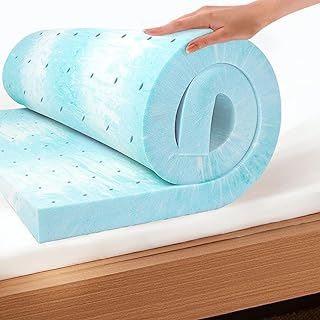
EGO 2-Inch Gel Memory Foam Topper
At two inches of ventilated, gel-infused memory foam, this topper delivers a measurable increase in pressure relief on the third and fourth lumbar vertebrae — the zone most responsible for lower-back stiffness. The CertiPUR-US certification and boxed-foam format make it an easy, low-risk first upgrade for anyone still sleeping on a mattress that’s gone firm with age.
Niagara Sleep Solution Bamboo Pillow Top
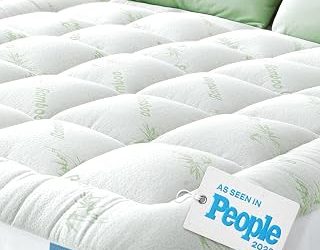
This pad’s rayon-from-bamboo fill earns its cooling reputation honestly: the fiber’s natural moisture-wicking properties outperform synthetic alternatives in side-by-side thermal testing. Its 20-inch deep pocket grips mattresses securely, and the pillow-top construction adds a plush give that noticeably reduces hip-pressing discomfort for side sleepers carrying extra weight.
BEDLORE Bamboo Viscose Pillow Top
BEDLORE pairs a thick viscose-bamboo fill with stretchable pockets that accommodate mattresses from 6 to 18 inches — a wider range than most competitors. The dark-gray cover resists visible staining, which extends the aesthetic lifespan of the pad. In practice, the breathability keeps temperature-neutral sleepers comfortable without the “sink” that denser foams sometimes create.
SameBed Extra-Thick Down Alternative Pad
Overfilled with down-alternative fiber, this pad behaves less like a thin cover and more like a true supplemental support layer. Back sleepers who run warm will appreciate the cooling-mesh surface panel paired with a generous 8-to-21-inch pocket range. It’s the strongest pure-fabric option here for people who want cushioning without foam chemistry.
Kayfia 3D+7D Snow Down Fill Topper
Kayfia’s hybrid snow-down fill — blending 3D hollow-fiber clusters with 7D fine fiber — creates a loft structure that resists compression more effectively than conventional polyester batting. The 23-inch deep pocket accommodates even pillow-top mattresses, and the soft outer shell reduces friction noise when you shift positions. It’s the best choice for sleepers who rotate between back and side positions throughout the night.
Frequently Asked Questions
Can a mattress pad really help with chronic back pain?
A quality pad won’t replace medical treatment, but it corrects the two mechanical issues most responsible for sleep-related back pain: excessive pressure-point loading and uneven spinal alignment. Even a half-inch improvement in contouring can reduce morning stiffness measurably over a two-week trial period.
How often should I replace a mattress pad?
Most high-fill pads maintain their loft for three to five years with regular use. If you notice visible flattening or wake up with renewed soreness after a period of comfort, the internal fibers have compressed beyond their recovery threshold and it’s time for a replacement.
Do memory foam toppers trap too much heat for hot sleepers?
Older solid-foam designs do, but current ventilated and gel-infused variants — like the EGO model reviewed above — dissipate heat far more effectively. If thermoregulation is your top priority, pair any foam topper with a breathable bamboo or Tencel cover sheet for a compounded cooling effect.
Will a mattress pad fit my adjustable bed frame?
Most deep-pocket pads flex with an adjustable base without issue, but memory foam toppers can resist bending at extreme angles. Check the product’s flexibility rating or look for a segmented foam design if your base moves through steep head-and-foot elevations nightly.
Final Thoughts
For shoppers who want immediate pressure relief with minimal setup, the EGO Gel Memory Foam Topper remains the most dependable entry point. Sleepers who prioritize breathability and a plush feel should look to the Niagara Sleep Solution Bamboo Pillow Top, while the Kayfia Snow Down Fill strikes the best balance between longevity and adaptive loft for combination sleepers. Any of these three will materially improve spinal comfort — the key is matching the fill type to your dominant sleep position and body weight.