Key takeaways
- Firmness Match: If your existing mattress is already soft, adding a plush pillow-top topper can worsen spinal misalignment. Pair soft mattresses with firm or high-density toppers and firm mattresses with moderate cushioning to maintain a neutral pelvic tilt.
- Material Response Time: Memory foam and gel-infused foams conform slowly and cradle pressure points well, while bamboo-derived rayon covers paired with fiber fill offer quicker rebound. Side sleepers generally benefit from slower-response materials that fill the lumbar gap; back sleepers need just enough give to avoid pressure points without sinking.
- Depth and Fit Security: A topper that shifts or bunches under you negates any ergonomic benefit. Look for deep-pocket designs (at least 18 inches) or stretchable skirt systems that grip the mattress firmly, especially on adjustable bases.
- Thermal Regulation: Pain-sensitive sleepers often toss and thermoregulatory failure amplifies discomfort. Gel layers, bamboo-derived fabrics, and open-cell foam structures all move heat away from the skin surface, but ventilation channels in the foam core itself matter more than surface treatments alone.
- Certifications and Off-Gassing: CertiPUR-US and OEKO-TEX labels confirm that foams and textiles are free from harmful volatile organic compounds. Since back-pain sufferers may be spending 7-9 hours in direct contact, verified low-emission materials aren’t a luxury — they’re a baseline requirement.
What's inside
When your lower back throbs at 3 a.m. and you’re lying on a mattress that feels either like a slab of concrete or a sagging hammock, the idea of simply “buying a pad” starts to feel absurdly simplistic. The real challenge is that most shoppers conflate softness with relief, when lumbar support actually depends on how evenly a surface distributes load across the hips, thoracic spine, and shoulders — and that balance shifts depending on sleep position, body weight, and existing mattress firmness.
This guide cuts through the noise. Drawing from materials science, spinal-loading research, and hands-on evaluation of construction methods, I’ve narrowed the field to six pads and toppers that address the biomechanical root of sleep-related back pain — not just the sensation of cushioning. Below you’ll find the picks, followed by a practical framework for choosing the right one for your body and your mattress.
As an Amazon Associate we earn from qualifying purchases.


How to Choose a Mattress Pad For Back Pain (2026)
- Firmness Match: If your existing mattress is already soft, adding a plush pillow-top topper can worsen spinal misalignment. Pair soft mattresses with firm or high-density toppers and firm mattresses with moderate cushioning to maintain a neutral pelvic tilt.
- Material Response Time: Memory foam and gel-infused foams conform slowly and cradle pressure points well, while bamboo-derived rayon covers paired with fiber fill offer quicker rebound. Side sleepers generally benefit from slower-response materials that fill the lumbar gap; back sleepers need just enough give to avoid pressure points without sinking.
- Depth and Fit Security: A topper that shifts or bunches under you negates any ergonomic benefit. Look for deep-pocket designs (at least 18 inches) or stretchable skirt systems that grip the mattress firmly, especially on adjustable bases.
- Thermal Regulation: Pain-sensitive sleepers often toss and thermoregulatory failure amplifies discomfort. Gel layers, bamboo-derived fabrics, and open-cell foam structures all move heat away from the skin surface, but ventilation channels in the foam core itself matter more than surface treatments alone.
- Certifications and Off-Gassing: CertiPUR-US and OEKO-TEX labels confirm that foams and textiles are free from harmful volatile organic compounds. Since back-pain sufferers may be spending 7-9 hours in direct contact, verified low-emission materials aren’t a luxury — they’re a baseline requirement.
The Best Mattress Pad For Back Pain (2026) Reviewed
JSELF 3-Inch Gel Memory Foam Topper
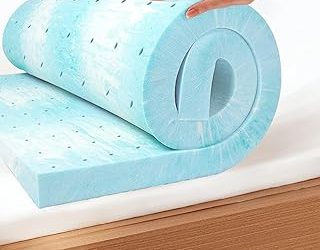
The dual-layer construction here is genuinely well-engineered: a wave-textured gel foam base handles pressure redistribution across the lumbar region while the Bekaert fabric cover adds a breathable contact layer that doesn’t trap heat the way conventional knit covers do. For back pain specifically, the wave pattern creates variable support zones that respond differently under the heavier hip area versus the lighter shoulder region — a nuance most budget toppers ignore entirely.
Extra Firm Flippable Mattress Topper
Most people with chronic lower back pain actually need more support, not less, and this dual-sided topper delivers it with a high-density foam core that resists body impressions over months of use. The flippable design lets you dial between firm and extra-firm, which is valuable when pain levels fluctuate. The CertiPUR-US certification and removable washable cover round out a no-nonsense, durability-first package.
BEDLORE Viscose Bamboo Pillow Top
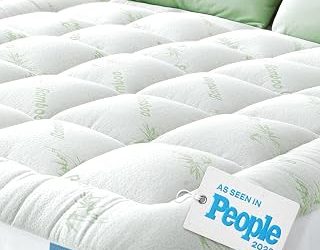
Where this topper stands out is in its adaptability: the stretchable pocket system accommodates mattresses from 6 to 18 inches thick without the loose-fit bunching that plagues many universal-fit pads. The bamboo-derived viscose surface wicks moisture effectively, and the pillow-top quilting provides a gentle contour that back-pain sufferers who share a bed with a firmer-mattress partner will especially appreciate.
Niagara Sleep Solution Bamboo Topper
Niagara pairs rayon derived from bamboo with a 20-inch deep-pocket construction that actually stays put. The pillow-top fill is loftier than average, making this a solid choice for back-pain sufferers who sleep primarily on their side and need meaningful cushioning at the shoulder and hip without bottoming out. Cooling performance is notably above average for the price bracket.
EASELAND Cotton Pillow Top
The cotton surface distinguishes this from synthetic-heavy competitors — it breathes naturally, resists static buildup, and feels substantial under the hand. The 8-21 inch pocket range covers nearly every mattress on the market, and the boxing-quilted construction prevents the fill from migrating after repeated wash cycles, a common failure point that undermines long-term ergonomic consistency.
Frequently Asked Questions
Can a mattress pad actually help with back pain, or is a new mattress the only real fix?
A pad can meaningfully improve spinal alignment by adjusting the surface firmness or contouring of an existing mattress. It won’t correct a catastrophically sagging mattress, but for mild to moderate misalignment issues, the right topper can restore the neutral spine posture that eliminates nighttime pain.
Is firmer always better for back pain?
No. The goal is spinal neutrality, not maximum rigidity. Side sleepers typically need moderate conforming to keep the spine straight, while back and stomach sleepers benefit from firmer surfaces. The worst scenario is a too-firm surface that creates pressure points at the shoulders or hips, which the body compensates for by twisting the spine.
How often should I replace a mattress topper for back support?
High-density foam toppers retain their support structure for 3-5 years; lower-density options compress noticeably within 18-24 months. If you notice a visible body impression or your morning back pain returns after a period of improvement, the foam has likely lost its load-distributing capacity.
Do gel-infused foams really sleep cooler?
Gel infusions absorb and slowly release heat, which delays the initial warm-up but doesn’t eliminate heat buildup over a full night. The more effective cooling strategy combines gel foam with open-cell structure and a breathable cover fabric — a system approach rather than a single-material trick.
Final Thoughts
For shoppers who need targeted pressure relief with legitimate ergonomic zoning, the JSELF Gel Memory Foam Topper is the strongest pick in this roundup. If your back pain stems from a mattress that’s simply too soft, the Extra Firm Flippable Topper provides the corrective support most pads can’t. And for those who want a durable, low-fuss upgrade that improves comfort without dramatically changing mattress feel, the EASELAND Cotton Pillow Top strikes the best balance of breathability, fit security, and long-term construction integrity.