Key takeaways
- Firmness and Spinal Alignment: A medium-firm surface is the sweet spot for most body types and sleep positions. It keeps the lumbar curve supported without creating pressure hotspots at the shoulders and hips — two areas where poor alignment causes the most morning stiffness.
- Layer Composition and Material Longevity: Look beyond the headline material. Gel-infused or copper-infused memory foam layers tend to resist body-conforming deformation longer than standard polyfoam. Check the density of each layer; higher density generally translates to fewer deep impressions over the mattress lifespan.
- Cooling Architecture: A mattress that traps heat forces you into restless position changes that fragment sleep. Phase-change covers, graphite or copper infusions, and open-cell foam structures each address thermal buildup differently. The best models combine at least two of these strategies rather than relying on a single marketing-friendly feature.
- Motion Transfer and Edge Integrity: If you share a mattress, individually wrapped pocket springs or high-resilience foam bases prevent one partner’s movement from disturbing the other. Reinforced edge support also determines how much of the usable sleep surface you actually get — weak edges mean you unconsciously avoid the perimeter.
- Certifications and Off-Gassing Period: CertiPUR-US certification confirms that foams are screened for harmful VOCs, heavy metals, and phthalates. That said, most compressed mattresses still release a mild chemical odor for the first 48 to 72 hours after unboxing. Good airflow and a breathable cover accelerate that process significantly.
What's inside
If you have ever unboxed a mattress that looked promising online only to find it sagging within weeks or running uncomfortably warm by midnight, you are not alone. The bed-in-a-box market has exploded, and most shoppers end up scrolling through a blur of identical marketing language with no reliable way to judge what will actually hold up night after night.
As someone who evaluates mattress construction from a structural and ergonomic standpoint, I cut through the copy to examine layer density, material science, cooling mechanics, and long-term durability. Below you will find the five models that earned their place after that kind of scrutiny, along with an honest breakdown of what matters when you are choosing one for yourself.
As an Amazon Associate we earn from qualifying purchases.


How to Choose a Mattress In A Box (2026)
- Firmness and Spinal Alignment: A medium-firm surface is the sweet spot for most body types and sleep positions. It keeps the lumbar curve supported without creating pressure hotspots at the shoulders and hips — two areas where poor alignment causes the most morning stiffness.
- Layer Composition and Material Longevity: Look beyond the headline material. Gel-infused or copper-infused memory foam layers tend to resist body-conforming deformation longer than standard polyfoam. Check the density of each layer; higher density generally translates to fewer deep impressions over the mattress lifespan.
- Cooling Architecture: A mattress that traps heat forces you into restless position changes that fragment sleep. Phase-change covers, graphite or copper infusions, and open-cell foam structures each address thermal buildup differently. The best models combine at least two of these strategies rather than relying on a single marketing-friendly feature.
- Motion Transfer and Edge Integrity: If you share a mattress, individually wrapped pocket springs or high-resilience foam bases prevent one partner’s movement from disturbing the other. Reinforced edge support also determines how much of the usable sleep surface you actually get — weak edges mean you unconsciously avoid the perimeter.
- Certifications and Off-Gassing Period: CertiPUR-US certification confirms that foams are screened for harmful VOCs, heavy metals, and phthalates. That said, most compressed mattresses still release a mild chemical odor for the first 48 to 72 hours after unboxing. Good airflow and a breathable cover accelerate that process significantly.
The Best Mattress In A Box (2026) Reviewed
EGOHOME 14-Inch Copper Gel Memory Foam
This mattress stands out for its graphene-infused cover and copper gel foam layers, a combination that actively pulls heat away from the body rather than passively dissipating it. The multi-density foam stack and ICA endorsement make it a strong pick for anyone dealing with chronic back pain who needs consistent contouring support over years of nightly use.
Sleepmax 14-Inch Hybrid
Sleepmax pairs pocketed coils with layered foam to create a hybrid that balances pressure relief with responsive bounce. The coil base provides the kind of structural backbone that pure foam beds struggle to match over time, and the 365-night trial period signals genuine confidence in durability — a factor that matters when you are committing to a mattress you will sleep on for a decade.
Novilla Bliss 14-Inch Cooling
The cool-touch nylon cover on the Novilla Bliss is not just a comfort gimmick; it functions as a genuine first line of thermal defense that complements the gel memory foam beneath. Spinal support feels well-calibrated for side and back sleepers, and the CertiPUR-US certified foam maintains its shape without the excessive sinkage that plagues many similarly priced competitors.
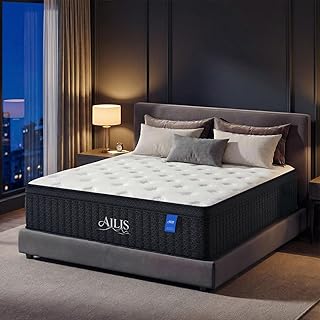
ailis 14-Inch Hybrid
Ailis focuses on the details that affect shared sleep most directly. The upgraded pocket spring unit delivers strong motion isolation while the reinforced perimeter rails give you the full sleep surface without that roll-off sensation at the edges. Breathable construction keeps the overall sleeping climate regulated without requiring a separate cooling technology layer.
EGOHOME 10-Inch Cooling Green Tea Gel
For budget-conscious shoppers or secondary rooms, this compact model punches above its price point with green tea gel-infused foam that genuinely resists odor and heat buildup. At 10 inches, it keeps a lower profile that works well on adjustable frames and platform beds, and the CertiPUR-US certification means you are not sacrificing material safety for affordability.
Frequently Asked Questions
How long does a bed-in-a-box mattress typically last?
A well-constructed model with high-density foam and a quality coil unit should provide reliable support for seven to ten years. Degradation shows up first as surface impressions that do not recover and as increased edge compression. Choosing a mattress with independently certified materials and documented density ratings gives you the best odds of hitting the longer end of that range.
Can a mattress in a box actually help with back pain?
Yes, provided the mattress maintains neutral spinal alignment for your primary sleep position. Medium-firm hybrids and multi-layer memory foam models tend to perform best for back pain sufferers because they distribute weight evenly while preventing the hips from sinking too deeply. The EGOHOME 14-inch and Sleepmax hybrid both address this with reinforced lumbar zones.
What is the difference between a memory foam and a hybrid bed-in-a-box?
Memory foam mattresses rely entirely on foam layers for support and pressure relief, which creates deep contouring but can trap more heat. Hybrid models incorporate a pocket spring base beneath the foam layers, adding airflow, responsive support, and generally better edge reinforcement. Hybrids also tend to recover their shape faster when you change positions during the night.
Is CertiPUR-US certification enough to trust a mattress for my child?
CertiPUR-US is a solid baseline that rules out the worst offenders in foam manufacturing, but for children you should also verify that the mattress is fiberglass-free and look for independent safety testing beyond that certification. All five mattresses reviewed here meet the fiberglass-free standard, which is particularly important for younger users who may eventually outgrow a zippered cover.
Final Thoughts
For most shoppers balancing ergonomic support, thermal management, and long-term durability, the EGOHOME 14-Inch Copper Gel stands out as the most complete package, with the Sleepmax Hybrid earning a close second for those who prefer the responsive support of pocket coils. If cooling is your primary concern, the Novilla Bliss delivers that priority without compromising on pressure relief. Any of these three will serve you well for years — choose the one that matches your dominant sleep position and climate needs.