Key takeaways
- Gauge and coil count: In hybrid designs, lower-gauge steel (thicker wire) resists sagging under heavier loads. Look for encased pocket coils at 13-gauge or below, which distribute force more evenly across the sleep surface.
- Foam density: CertiPUR-US certification confirms safety, but the real durability marker is foam density measured in pounds per cubic foot. Higher-density memory foams (4 lb/ft³ and above) maintain their contour longer under pressure.
- Mattress thickness: Anything under 10 inches will compress excessively for individuals over 230 pounds. A 12- to 14-inch profile gives the foam and coil layers enough material to flex without bottoming out.
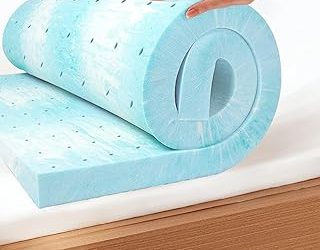
- Breathability architecture: Gel infusions, open-cell foam structures, and airflow channels in coil bases matter more when more body mass is in contact with the mattress. Copper and graphite additives actively pull heat away from the surface.
- Edge support: Reinforced perimeter coils or high-density foam rails prevent the “roll-off” sensation and let you use the full sleep surface—critical when the usable width is already compromised by body size.
What's inside
Shopping for a mattress when you carry more weight isn’t just about comfort—it’s an engineering problem. Thinner foams bottom out faster, weak coils develop permanent divots, and breathability becomes a genuine issue when more body mass traps heat against the surface. Most people discover this the hard way, replacing a mattress far sooner than they should have.
This roundup approaches six mattresses from the vantage point of materials science and long-haul structural integrity. Every pick here was evaluated against the specific failure modes that heavier sleepers encounter: foam cell collapse under sustained load, coil fatigue in the lumbar zone, cover fabric pilling, and thermal regulation breakdown over months of use. What follows will help you match your body and sleep habits to a mattress that actually holds up.
As an Amazon Associate we earn from qualifying purchases.


How to Choose a Mattress for a Larger Person (2026)
- Gauge and coil count: In hybrid designs, lower-gauge steel (thicker wire) resists sagging under heavier loads. Look for encased pocket coils at 13-gauge or below, which distribute force more evenly across the sleep surface.
- Foam density: CertiPUR-US certification confirms safety, but the real durability marker is foam density measured in pounds per cubic foot. Higher-density memory foams (4 lb/ft³ and above) maintain their contour longer under pressure.
- Mattress thickness: Anything under 10 inches will compress excessively for individuals over 230 pounds. A 12- to 14-inch profile gives the foam and coil layers enough material to flex without bottoming out.
- Breathability architecture: Gel infusions, open-cell foam structures, and airflow channels in coil bases matter more when more body mass is in contact with the mattress. Copper and graphite additives actively pull heat away from the surface.
- Edge support: Reinforced perimeter coils or high-density foam rails prevent the “roll-off” sensation and let you use the full sleep surface—critical when the usable width is already compromised by body size.
The Best Mattresses for a Larger Person (2026) Reviewed
EGOHOME King 14-Inch Memory Foam
With its copper-gel infusion and graphene-infused cover, the EGOHOME 14-inch manages heat dissipation through two distinct thermal pathways rather than relying on a single mechanism—unusual at this price point. The ICA endorsement reflects genuine lumbar zone support, and the fiberglass-free construction eliminates a common complaint with budget foam mattresses. Ideal for couples where one partner is significantly heavier than the other, thanks to excellent motion isolation.
Full XL Hybrid 14-Inch
This hybrid pairs cooling gel memory foam over pocket springs in a Full XL (54×80) dimension—an underserved size for taller, heavier individuals who need the extra length without committing to a king. The dual-zone spring layout resists middle-sag, and the medium-firm feel strikes a balance between pressure relief at the hips and structural support at the shoulders.
Sweetnight CoolNest 14-Inch King
The five-zone ergonomic support system is what sets this apart: different firmness zones are mapped to the head, shoulders, lumbar, hips, and legs. For larger sleepers, the reinforced lumbar zone prevents the hammocking effect that accelerates foam breakdown. The enhanced breathability layer uses perforated foam that maintains airflow even under sustained compression.
Sealy Dreamlife 12-Inch Hybrid
Sealy’s Surface-Guard technology adds an antimicrobial barrier that matters more for heavier sleepers who generate more heat and moisture during the night. The SealyComfort gel foam paired with encased coils creates a responsive surface that doesn’t have the slow-recovery lag of all-foam designs—a real advantage if you shift positions frequently.
Vibe Quilted Hybrid 12-Inch
The pillow-top layer over innerspring coils gives immediate plushness without sacrificing the deep support that heavier sleepers need from the coil core. Fiberglass-free and CertiPUR-US certified, this mattress nails the basics without overcomplicating the material stack. The quilted cover is notably durable and resists the surface wear that plagues many competitors.
Frequently Asked Questions
What firmness level is best for heavier sleepers?
Medium-firm to firm typically serves larger bodies best. Softer surfaces feel comfortable initially but lack the resistance to keep the spine aligned over a full night. That said, pressure points at the shoulders and hips still need cushioning—which is why hybrid designs outperform rigid firm mattresses for most people over 200 pounds.
How long should a mattress last for a larger person?
Most mattresses carry a 10-year warranty, but actual lifespan for heavier sleepers often lands between 5 and 7 years depending on foam density and coil gauge. Rotating the mattress 180 degrees every three months can extend usable life by a meaningful margin.
Are memory foam mattresses suitable for heavier people?
Pure memory foam works well when it’s at least 4 pounds per cubic foot in density and the mattress exceeds 12 inches in total thickness. Thinner or lower-density foams will develop body impressions much faster. Hybrid designs that layer foam over coils generally offer better long-term resilience.
Do I need a specific bed frame for a heavier sleeper’s mattress?
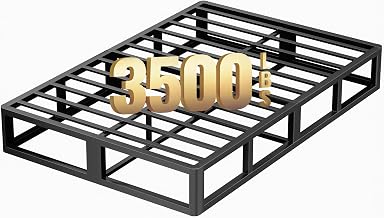
A reinforced platform bed or adjustable base rated for at least 500 pounds of distributed weight is the safest foundation. Slatted frames need slats no more than 3 inches apart, and center support legs are non-negotiable on queen and king sizes. Skipping proper foundation support voids most mattress warranties.
Final Thoughts
For most heavier sleepers in 2026, the EGOHOME King 14-Inch stands out for its multi-layer thermal management and verified lumbar support. The Sweetnight CoolNest earns a strong recommendation for its zone-mapped ergonomics that address sagging before it starts. And the Sealy Dreamlife rounds out the top tier with brand-backed coil technology and surface-level moisture management that pays dividends over years of use.