Key takeaways
- Filling Type and Response Curve: Memory foam contours slowly and distributes pressure well, while down-alternative and cotton fills respond instantly. Choose based on whether you want a cradled sensation or a more buoyant, pillow-top feel.
- Loft and Spinal Alignment: A topper between three and five inches adds meaningful support for back-pain sufferers. Anything thinner risks bottoming out under shoulder and hip weight, while excessively thick pads can misalign the lumbar curve on a firm base mattress.
- Thermal Regulation: Open-cell foam, gel infusion, and natural fibers like bamboo viscose actively move heat away from the body. Hot sleepers should prioritize ventilation channels or breathable covers over marketing claims alone.
- Deep Pocket Depth and Grip: Sheets shift when the topper rides up underneath them. Look for elasticated deep pockets that stretch to at least 18 inches and a non-slip base layer or underside friction surface that stays anchored to the mattress.
- Certification and Off-Gassing: CertiPUR-US or OEKO-TEX labels confirm that foams and fabrics meet emissions and chemical safety standards. This matters especially for people with allergies or sensitivity to volatile organic compounds from new foam.
What's inside
Shopping for a mattress topper can feel like a guessing game — promotional language everywhere, nearly identical product photos, and no reliable way to judge how something will actually feel against your spine at 3 a.m. Buyers routinely end up with a topper that either traps heat, flattens out within months, or shifts around on the bed every time they roll over.
This guide cuts through the noise from an ergonomics-and-durability standpoint. I evaluated breathability, long-term loft retention, support layer design, and construction quality to surface the mattress toppers that genuinely earn their place on your bed in 2026. Below you will find a buyer’s framework, followed by hands-on reviews of five standout options.
As an Amazon Associate we earn from qualifying purchases.


How to Choose a Mattress Topper in 2026
- Filling Type and Response Curve: Memory foam contours slowly and distributes pressure well, while down-alternative and cotton fills respond instantly. Choose based on whether you want a cradled sensation or a more buoyant, pillow-top feel.
- Loft and Spinal Alignment: A topper between three and five inches adds meaningful support for back-pain sufferers. Anything thinner risks bottoming out under shoulder and hip weight, while excessively thick pads can misalign the lumbar curve on a firm base mattress.
- Thermal Regulation: Open-cell foam, gel infusion, and natural fibers like bamboo viscose actively move heat away from the body. Hot sleepers should prioritize ventilation channels or breathable covers over marketing claims alone.
- Deep Pocket Depth and Grip: Sheets shift when the topper rides up underneath them. Look for elasticated deep pockets that stretch to at least 18 inches and a non-slip base layer or underside friction surface that stays anchored to the mattress.
- Certification and Off-Gassing: CertiPUR-US or OEKO-TEX labels confirm that foams and fabrics meet emissions and chemical safety standards. This matters especially for people with allergies or sensitivity to volatile organic compounds from new foam.
The Best Mattress Toppers in 2026, Reviewed
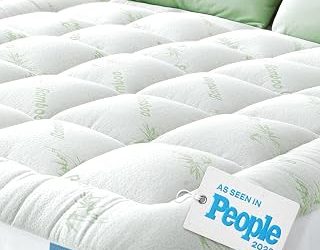
Niagara Sleep Solution Ultra Soft Cooling Bamboo Topper
This rayon-from-bamboo pillow-top pad delivers a surprisingly plush hand-feel at a moderate price point. The 20-inch deep pocket accommodates most modern mattresses without creeping, and the natural fiber cover wicks moisture noticeably better than standard polyester blends — a real win for hot sleepers who also deal with upper-back tension.
ELEMUSE Extra Thick Pillow Top Mattress Pad
ELEMUSE pairs an overfilled down-alternative fill with a stretchy deep-pocket skirt that grips a queen mattress securely. The extra-thick pillowtop construction adds genuine pressure relief at the shoulders and hips, making it a strong pick for side sleepers managing chronic back discomfort without jumping to a full memory-foam solution.
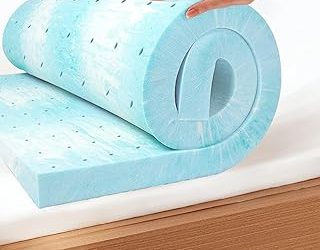
Best Price Mattress 3-Inch Ventilated Memory Foam Topper
At three inches with gel infusion and a CertiPUR-US certification, this topper hits the sweet spot between contouring support and breathable design. The ventilated core prevents the heat buildup that plagues many budget memory foams, and the shorter profile suits stomach sleepers or anyone pairing a topper with an already-cushioned mattress.
WhatsBedding 5-Inch Bamboo Viscose Air Layer Topper
The five-inch height of this WhatsBedding option gives it serious corrective potential for older or overly firm mattresses. Bamboo viscose fabric covers an air-layer structure that promotes consistent airflow, while the generous fill prevents the bottoming-out effect that thinner toppers exhibit under heavier body weight.
WhatsBedding 5-Inch Memory Foam Pillow Top
Adding to WhatsBedding’s lineup, this memory-foam variant pairs the same thick profile with a supportive foam core topped by fluffy breathable stuffing. The dual-layer design keeps the spine neutral while the outer fill softens initial contact, offering a more balanced feel than pure-foam alternatives for combination sleepers who change positions frequently.
Frequently Asked Questions
How long does a mattress topper typically last?
Most quality toppers hold their loft and support for two to three years with nightly use. Memory foam models may begin compressing sooner if they lack sufficient density, while well-constructed pillow-top and bamboo-fiber toppers often maintain their resilience a bit longer.
Can a topper fix a sagging mattress?
A topper can mask minor surface-level unevenness but will not correct structural sag in the coil or support core. If the base mattress dips more than an inch or two, the topper will conform to that dip rather than providing genuine spinal support.
Do cooling toppers really work, or is it just marketing?
Materials matter. Gel-infused foam, ventilated cores, and natural bamboo fibers demonstrably reduce surface temperature compared to standard polyester or closed-cell foam. The effect is moderate — typically a few degrees cooler — but enough to meaningfully improve sleep quality for people who run warm.
What thickness should I choose for back pain?
Three to four inches is the general sweet spot for most back-pain sufferers. Thinner toppers add minimal pressure relief, while anything beyond five inches can create instability on a softer base mattress and actually worsen alignment.
Final Thoughts
For a well-rounded balance of cooling, ergonomic support, and long-term durability, the ELEMUSE Extra Thick Pillow Top and the Best Price Mattress Ventilated Memory Foam stand out as the strongest all-around picks. Shoppers prioritizing natural materials and moisture management should look closely at the Niagara Sleep Solution Bamboo Topper as a third compelling option. Whichever you choose, matching the topper’s loft and firmness to your sleep position will always matter more than brand loyalty.