Key takeaways
- Pro: LATCH installation locks in seconds without re-threading, a consistent owner win.
- Pro: At the lighter end of its class, it lifts easily during daily transfers.
- Con: The single cup holder attaches to the base, so it’s unusable when the seat travels to the carpool lane.
What's inside
A newborn’s car seat is the first piece of gear that determines whether every errand, appointment, and road trip feels manageable or miserable. The stakes are physical: a seat that installs poorly, fits awkwardly in a compact sedan, or weighs too much to carry one-handed between the trunk and the stroller frame creates friction dozens of times a week. Parents shopping in 2026 face dozens of options that look nearly identical in product photos, yet they diverge sharply on real-world usability — recline ranges, base adjustability, weight limits, and how gracefully the harness system handles a squirming four-week-old.
The best baby car seats solve three problems simultaneously: they keep the infant rear-facing at the correct angle, they integrate cleanly with a travel system without a second purchase, and they stay comfortable enough that the baby actually sleeps during transport. The worst ones fail at the installation stage alone — a fussy LATCH system or a base that refuses to level on a sloped back seat sends owners back to the returns desk within days. We compared published specifications, current pricing, and aggregated owner feedback across these eight models to identify which seats hold up beyond the box.
As an Amazon Associate we earn from qualifying purchases at no extra cost to you. Product prices and availability are accurate as of the date shown and are subject to change.


Quick Picks
| Product | Best For | Price |
|---|---|---|
| Graco SnugRide Lite LX – Studio | Best Overall Infant Seat | $139.99 |
| Baby Trend EZ-Lift PRO – Dash Rose | Best Premium Infant Seat Under $100 | $95.99 |
| Safety 1st Ellaris 3-in-1 – Smokey Haze | Best Space-Saving Convertible | $99.99 |
| Graco SnugRide Lite LX – Lilac Mod | Best Infant Seat Color Option | $139.99 |
| Graco Extend2Fit – Redmond | Best Convertible for Extended Rear-Facing | $239.99 |
| Baby Trend EZ-Lift Plus – Ultra Grey | Best Budget Pick | $84.99 |
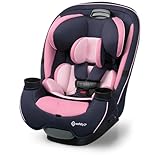
| Safety 1st Grow and Go – Black Phantom | Best All-in-One Value | $139.99 |
| Safety 1st Grow and Go – Vineyard Girl | Best All-in-One with Premium Finish | $159.99 |
How We Picked
Four criteria drove our evaluation: installation simplicity (does the seat level correctly and lock securely without a contractor’s patience?), weight and portability (can one caregiver lift it while holding a door and a crying baby?), comfort range (does the newborn insert and headrest support an infant without bunching?), and longevity (does a convertible design actually span rear-to-forward facing without compromise?). We prioritized seats that owners repeatedly praise for hassle-free daily use over those that look impressive on spec sheets but generate complaints about buckle stiffness or cup-holder interference with seatbelt paths.
The 8 Best Car Seats For Babies in 2026
Graco SnugRide Lite LX Infant Car Seat, Studio
The Studio colorway suits parents who prefer a clean, neutral look that won’t clash with any stroller frame or vehicle interior. Graco’s ProtectPlus Engineering reinforces the side-impact structure, and the four-position adjustable base simplifies leveling on uneven back seats.
- Pro: LATCH installation locks in seconds without re-threading, a consistent owner win.
- Pro: At the lighter end of its class, it lifts easily during daily transfers.
- Con: The single cup holder attaches to the base, so it’s unusable when the seat travels to the carpool lane.
Skip this seat if your back seat has a very narrow width or a fixed headrest that prevents proper recline — some compact sedans require a pool noodle workaround, which defeats the “lite” convenience.
Baby Trend EZ-Lift PRO Infant Car Seat, Dash Rose
At under a hundred dollars, the Dash Rose finish delivers plush infant cushioning and a premium carry handle that rivals seats costing nearly half again as much. It targets parents who want newborn-level comfort without committing to a Graco or Britax price tag.
- Pro: The adjustable harness support grows with the infant without needing a full re-thread in early weeks.
- Pro: The Dash Rose palette hides small stains better than lighter neutrals.
- Con: The base’s bubble-level indicator is harder to read in bright sunlight than competitors’ integrated strips.
Skip this model if you plan to fly with the seat frequently — it lacks a verified airplane certification marking on its label, unlike several rivals at a similar price.
Safety 1st Ellaris 3-in-1 Convertible Car Seat, Smokey Haze
The Ellaris is the practical answer for parents in small apartments or compact cars who refuse to buy a dedicated infant carrier plus a separate convertible later. Its slim-fit footprint claims back seat inches that other 3-in-1 designs consume.
- Pro: The machine-washable seat pad removes without tools, a genuine advantage for cloth-diaper households.
- Pro: Five headrest positions span the full rear-to-forward facing range, accommodating a growing child in a single unit.
- Con: Without a removable base, loading and unloading a sleeping newborn means unbuckling and lifting the entire seat out of the vehicle.
Skip this convertible if your baby sleeps through every errand and you’d rather transfer a base-mounted carrier from car to stroller than disturb them.
Graco SnugRide Lite LX Infant Car Seat, Lilac Mod
Mechanically identical to the Studio colorway, the Lilac Mod variant exists for caregivers who want a softer, nursery-coordinated look in the car without accepting a different feature set. The four-position adjustable base, ProtectPlus side-impact structure, and four-to-thirty-pound range all carry over unchanged.
- Pro: The same proven LATCH system earns consistent praise across colorways for quick, repeatable installation.
- Pro: Lilac Mod photographs well and resists showing wear better than pure white alternatives.
- Con: Priced identically to the Studio but offers no additional padding or storage beyond cosmetic changes.
Skip this seat if you dislike the purple hue in your vehicle interior — the Studio or a neutral competitor delivers the same safety architecture at the same cost.
Graco Extend2Fit 2-in-1 Convertible Car Seat, Redmond
The Extend2Fit justifies its premium price with legroom extension that allows children to remain rear-facing longer than most competitors at this tier. The Redmond colorway blends with earth-tone vehicle interiors and won’t show the dust that black finishes accumulate.
- Pro: The rear-facing legroom panel is a genuine differentiator for parents committed to extended rear-facing safety.
- Pro: Owners report the harness buckles open with less force than many Safety 1st and Chicco rivals, helping with squirming toddlers.
- Con: Without an infant insert sold separately, a newborn under five pounds requires a compatible baby pillow that adds bulk.
Skip this model if you already own a quality infant carrier and want a second-stage convertible only — you’re paying for head-to-toe adjustability you won’t use until the child is nine months or older.
Baby Trend EZ-Lift Plus Infant Car Seat, Ultra Grey
At eighty-five dollars, the EZ-Lift Plus undercuts every other infant carrier here while providing newborn comfort padding, a lightweight carry build, and an adjustable harness system. It’s the seat you buy for a second vehicle, a grandparent’s car, or a tight budget that still demands rear-facing safety.
- Pro: The lowest price point among infant-specific seats, making multi-car ownership realistic.
- Pro: Lightweight carry build is a frequent owner highlight for smaller-framed caregivers.
- Con: The Ultra Grey fabric shows lint and pet hair more readily than darker or textured alternatives.
Skip this seat if you want travel-system compatibility with a specific stroller brand — check that manufacturer’s adapter list first, as Baby Trend’s base geometry doesn’t always pair cleanly with third-party frames.
Safety 1st Grow and Go All-in-One Convertible Car Seat, Black Phantom
The Grow and Go covers rear-facing, forward-facing, and booster stages in one unit, and the Black Phantom finish stays looking new longer than lighter colors. Owners appreciate the three-position recline for rear-facing comfort without needing a separate pool noodle or rolled towel.
- Pro: Machine-washable pad and cup holder that moves side-to-side add daily convenience.
- Pro: Highest weight capacity for rear-facing use among the Safety 1st options here, extending that safety phase.
- Con: The shell is wider than the Ellaris, so two-across seating in compact cars requires careful tape-measure verification.
Skip this seat if your vehicle has a curved or very narrow back seat bench — the all-in-one bulk makes installation finicky without a professional check.
Safety 1st Grow and Go All-in-One Convertible Car Seat, Vineyard Girl
Identical in safety architecture and adjustability to the Black Phantom, the Vineyard Girl colorway offers a warmer, patterned aesthetic for parents who find all-black interiors too sterile. The twenty-dollar premium is purely cosmetic; no functional upgrades accompany the finish.
- Pro: The patterned fabric conceals crumbs, juice spots, and diaper leaks more effectively than solid black.
- Pro: Same three-stage design means no replacement seat purchase between birth and booster readiness.
- Con: The colorway surcharge adds cost without improving padding thickness, harness quality, or side-impact protection.
Skip this seat if budget is the priority — the Black Phantom delivers identical crash protection and usability at a lower price, and you can always add a patterned seat cover later.
Buying Guide
Infant Carrier vs. Convertible: Which Structure Suits Your Life?
An infant carrier snaps onto a stroller frame, leaves the baby sleeping during errands, and typically expires around thirty pounds. A convertible seat grows with the child through multiple stages but requires unbuckling and reloading every time you transfer the baby in or out. If your daily routine involves parking-lot-to-shopfront walks with a sleeping newborn, the carrier’s convenience justifies buying a convertible later. If you prefer one purchase that spans years, accept the loading trade-off and choose a convertible.
Installation Method Matters More Than Brand Prestige
A seat that takes six minutes to install correctly on a sloped back seat will be installed incorrectly most days. Look for integrated leveling indicators, adjustable bases with clear bubble markings, and LATCH connectors that click audibly without excessive force. Owner complaints about difficult installation are the strongest predictor of poor real-world safety performance — more so than crash-test scores, which assume perfect installation.
Weight, Harness, and Newborn Fit
For seats rated from four pounds upward, the newborn insert’s head and body support quality determines whether a six-week-old sits at a safe angle or slouches forward. Check that the harness straps route at or below the shoulders for rear-facing use and that the chest clip is positioned at armpit level without a parent’s help. Seats with five or more headrest heights give you room to adjust as the baby grows without re-threading straps through different slots.
Our Verdict
The Graco SnugRide Lite LX is the best car seat for babies overall in 2026, combining a manageable carry weight, a proven four-position base, and widespread stroller compatibility at a price that won’t break a household budget. For caregivers watching every dollar, the Baby Trend EZ-Lift Plus at eighty-five dollars is the clear budget pick — it sacrifices some premium fabric feel but keeps the infant-safety essentials intact. However, if your priority is keeping a child rear-facing well past the two-year mark without a second seat purchase, the Graco Extend2Fit’s legroom extension panel makes it the smarter long-term investment despite its higher sticker price.
FAQ
Can I use a convertible seat from birth without an infant carrier?
Yes, provided the convertible includes a newborn insert and lists a minimum weight at or below four pounds. The Safety 1st Ellaris and Grow and Go both support newborn use, but loading and unloading a full-weight seat from the vehicle is less convenient than clicking an infant carrier onto a base.
How long do babies stay in a rear-facing seat?
Current safety guidance recommends rear-facing until the child reaches the seat’s maximum rear-facing height or weight limit. Infant carriers typically cap at twenty-two to thirty-five pounds, while convertibles like the Extend2Fit allow rear-facing well past forty pounds, potentially keeping a child rear-facing until three or four years old.
Are more expensive car seats actually safer?
All seats sold in the United States must pass the same federal crash-test minimums. Price differences at this tier reflect convenience features — lighter shells, easier buckles, better padding — rather than crash performance. The safest seat is the one installed correctly every time, which favors models with simpler installation steps.
Do I need a base, or can I install the seat with just the seatbelt?
Most infant carriers support seatbelt-only installation for travel or backup vehicles, but a base saves daily re-threading and ensures consistent recline angles. Convertibles rely on either LATCH or seatbelt installation and don’t use a separate base at all, which reduces total cost but means the seat stays bolted in place.